Breed4Food IV
Shaping the future of genomic breeding
Breed4Food IV brings together science and industry to develop smarter, faster and more sustainable breeding programmes.
The Challenge
Food production is evolving.
Around the world, demand for animal protein continues to grow, while society expects production to become more sustainable, more efficient, and more responsible.
Breeding plays a crucial role in meeting these expectations.
Because every genetic decision made today shapes the food systems of tomorrow.
From Data to Decisions
Breeding has changed dramatically.
Today, it is driven by genomic information, advanced models, and large-scale data collection.
But data alone does not create progress.
Progress comes from turning data into reliable predictions and better decisions.
Introducing Breed4Food IV
In this new phase, science and industry join forces to develop the next generation of breeding tools.
Our work is organised into four connected Work Packages each addressing a crucial part of practical breeding programmes.
Discover Breed4Food IV
Check out our work packages
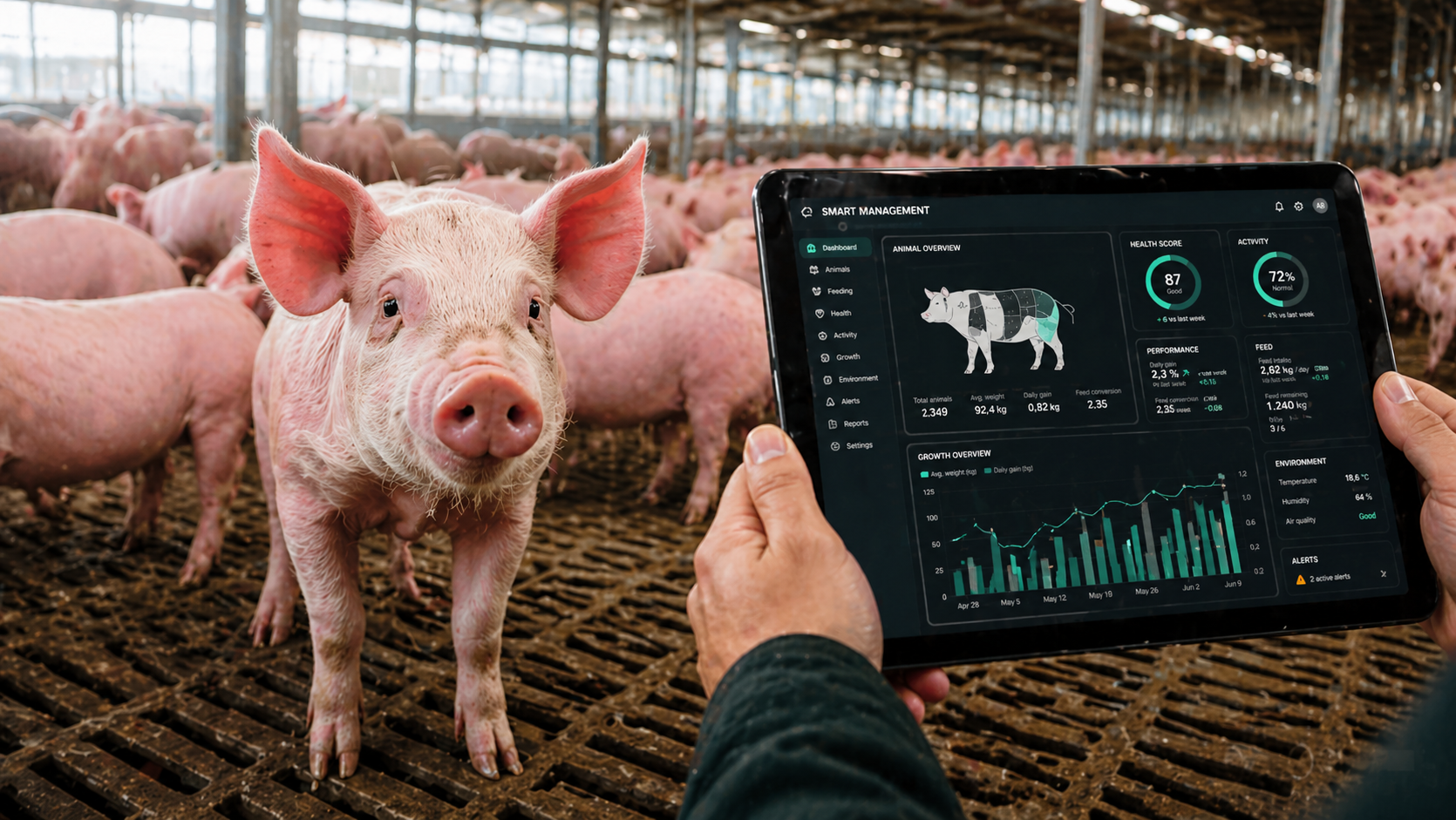
Breeding Optimization:
Digital twins and simulation-based optimisation of breeding strategies.
→
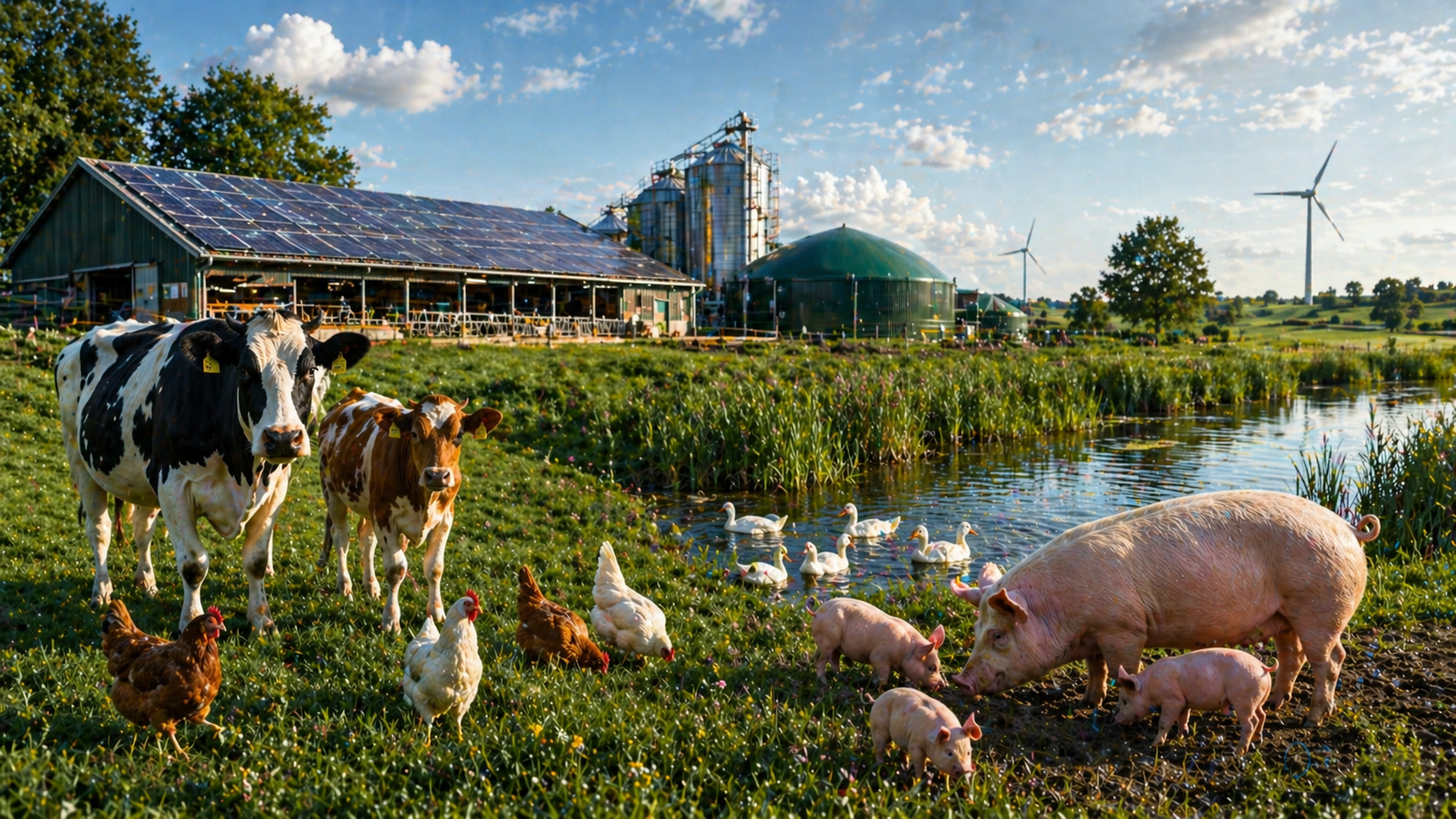
Global Sustainability:
Connecting breeding decisions to measurable sustainability impact across the production chain.
→
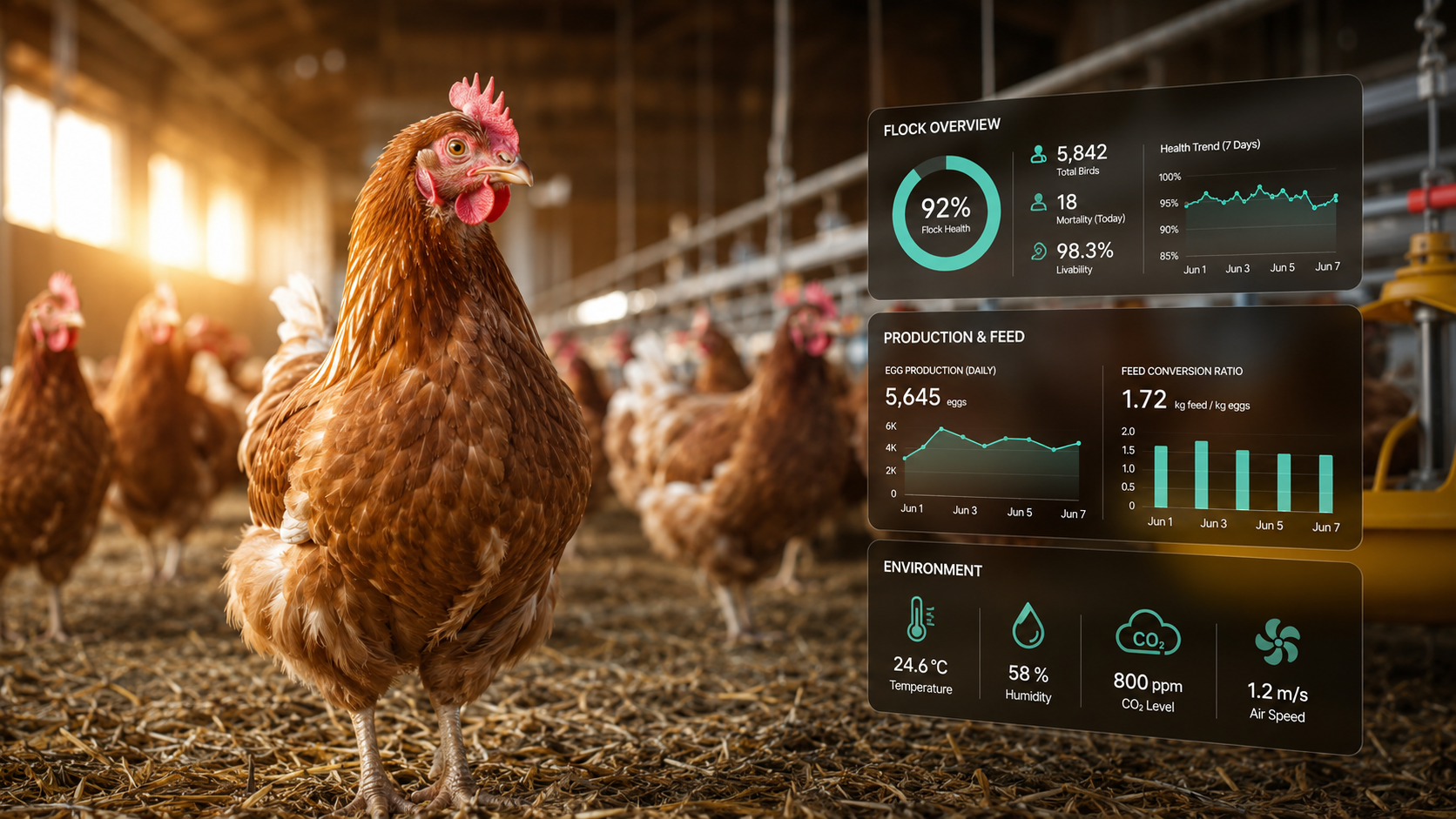
Structural Variation:
Unlocking hidden genetic variation using pan-genomes and structural variant pipelines.
→
Genomic Prediction:
Delivering fast, reliable software for large-scale genomic evaluations.
→
How it all connects
This is how Breed4Food IV turns science into impact
From genomic data
To advanced models
To reliable predictions
To better breeding decisions
From genomic data
To advanced models
To reliable predictions
To better breeding decisions
Tools & Software
These tools form the backbone of the Breed4Food ecosystem — enabling the connection between data, models and decisions.
Examples include the MiXBLUP suite, MoBPS digital twins, diagnostic and validation tools, GenomeProfile applications and structural variant pipelines.
Impact
Smarter use of genomic and phenotypic data
Improved prediction accuracy
Balanced genetic gain and diversity
Reduced computational costs
Measurable sustainability impact